Building with AI, creating with intent
I came to a realization this week: I barely use Google anymore.
- Perplexity crossed 10M monthly users.
- Reddit now shows up in half of Google queries with the word “real” in them.
- 40% of Gen Z use TikTok as a primary search tool.
What started as a curiosity (trying out Perplexity, asking ChatGPT for quick summaries) has quietly turned into default behavior. I reach for specialized tools without thinking about it. They’re faster, less cluttered, and give me answers shaped for how I think, not just what I typed.
I was curious to see if I was the only one. Turns out I’m not:
Search is no longer a monolith. It’s splintering.
Google still owns the long tail, but the high-intent, high-friction stuff is leaking out.
Now I use Rewind to resurface things I’ve seen. Cursor handles all of my dev questions. For product reviews, Reddit, not Google. For research, Perplexity beats link-hopping every time.
We’re watching the old idea of “search” fracture into jobs to be done. And the tools solving those jobs best? They aren’t general-purpose.
They’re specialists.
Focused, vertical tools that answer not just what, but why, how, and what’s next.
They don’t try to index the whole internet: they just get you what you actually needed in the first place.
That doesn’t mean Google’s dead, but the gravity has shifted. The winners of the future will be the tools that give you more clarity, not more choices.
And the best ones won’t feel like “search” at all.
Most Interesting
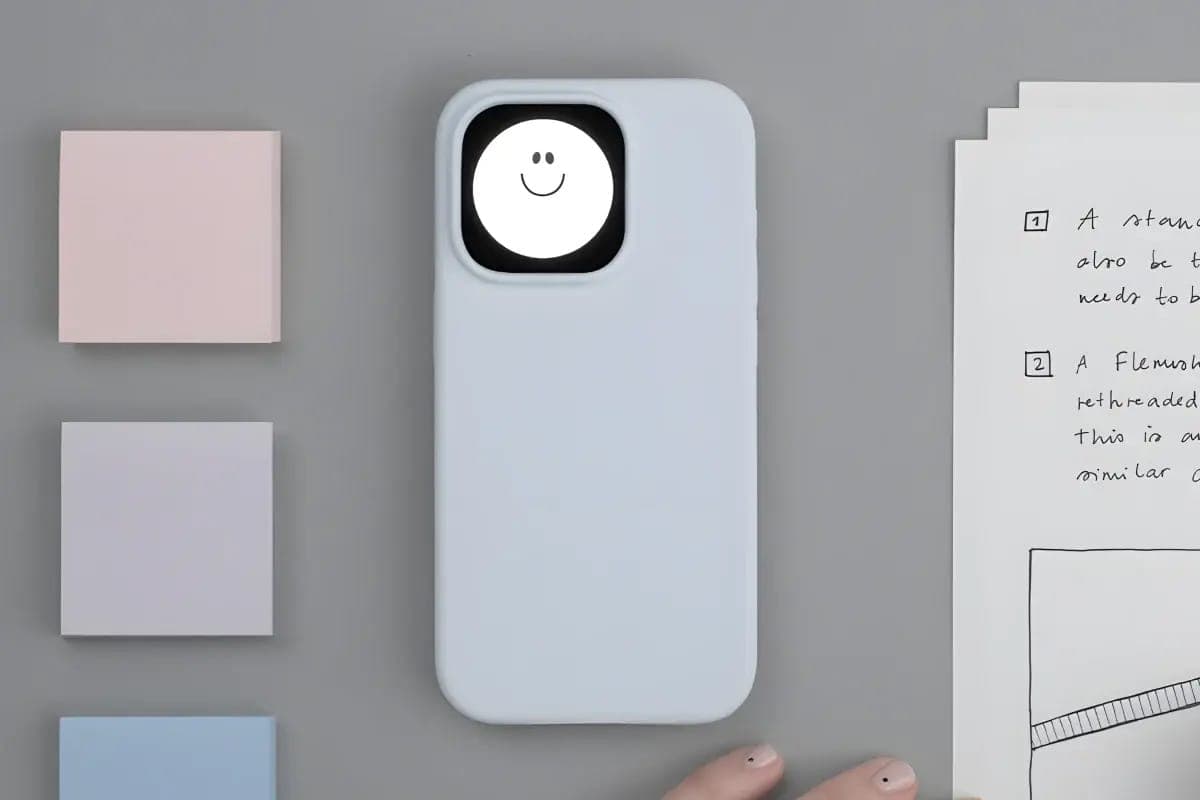
Aperture wants to turn your phone inside out
Aperture reimagines phones with playful, tactile design: think peekable covers and real-time animations. It’s weird, but delightful.
Kevin Kelly on how AI and technology are propelling us into a future of abundance.
Make new things and care deeply
Paul Graham argues that life’s worth comes from crafting original work, not just doing what’s expected.
Top Resources
Taming Mac clutter by auto-quitting inactive apps. It avoids forced closures so unsaved work stays safe. Offline and open source, it cuts background bloat hassle-free.
A collection of thinking tools and frameworks for problem solving, decision making, and understanding systems.
Jeremy Mikkola outlines a hands-on blueprint for tackling complex technical puzzles.
What’s Trending
What happens when a game studio forces AI on its devs?
Hint: nothing good. Almost every single metric that matters suffered after a game studio’s CEO forces everyone to use AI.
Tom Blomfield on what happens when AI makes everything cheaper to create.
Closing Thought
The best search tools won’t feel like search at all. They’ll feel like thinking.
Matt Downey is a designer who has spent over two decades building digital businesses, now Head of Design at Atlas UP. He writes Digital Native, the newsletter for designers building in the AI era.