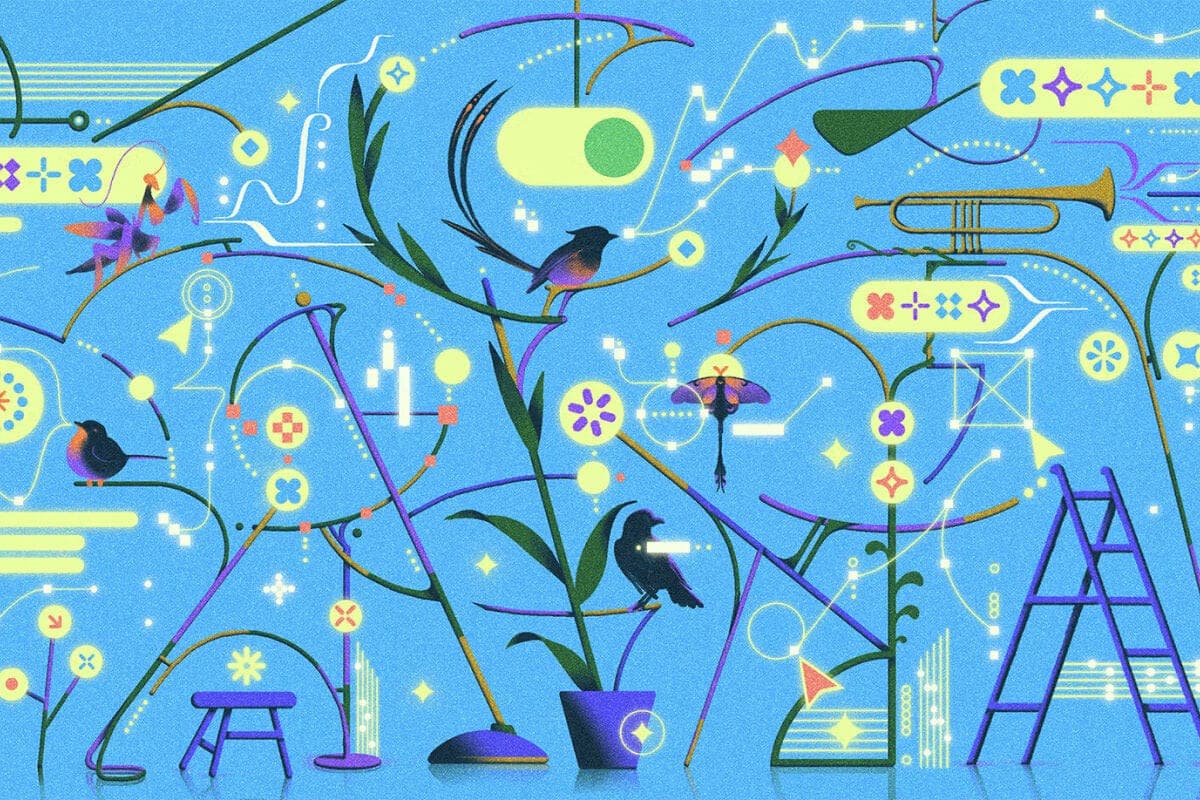
Prototypes, typefaces & the vibe of design
This week is all about how constraints force better system design. We’ve got 10 articles, including:
- How Google Sans grew from a single display typeface into a full system by solving real problems like small screen optimization and global script support.
- Why productivity slowdown isn’t about running out of ideas but rather market inefficiency forcing teams to work smarter, not just harder.
- What Pinterest’s 21 trend predictions across fashion, beauty, home, travel, food, and lifestyle reveal through demographic data about where attention actually flows.
- And more…
Most Interesting
Prototypes are the new PRDs
Figma Make prototypes are replacing traditional PRDs across the entire product workflow. This article covers exploration, validation, decision-making, and refinement with working examples at each stage.
Design + Development
Google Sans: Evolving Google’s typeface
A walkthrough of how Google Sans grew from a single display typeface into a full system through real problems: optimizing for small screens, supporting global scripts, and making code readable.
When designs look finished, people fixate on colors and fonts instead of asking if the concept actually works. That’s why Oddbird recommends showing stakeholders rough work, not polished mockups.
Design is a search for the opinions
Karri Saarinen argues that all tools and systems are inherently opinionated, and good design is about choosing the right opinions rather than chasing generic, “primitive” building blocks.
Tech + Innovation
The new skill isn’t coding components or pushing pixels, it’s knowing what good design actually looks like, art directing AI output like a creative director, and caring that a shadow is exactly 4px at 60% opacity. The people who obsess over 300ms animations just became more valuable, not less.
Pinterest dropped 21 trend predictions for 2026, organized by category: fashion, beauty, home, travel, food, and lifestyle. Each prediction comes with search data and demographic breakdowns showing which generations are driving interest.
On the consumption of AI-generated content at scale
AI slop has created two parallel crises: 1) the words we use to signal quality don’t mean anything anymore and 2) we’ve lost the ability to tell what’s real. I’m worried this is going to become more and more common.
Work + Mindset
A framework for thinking about article titles as ethical contracts, not just engagement levers.
Ideas aren’t getting harder to find
A contrarian take that flips the conventional wisdom on productivity slowdown. The argument: we’re not running out of ideas or research firepower, we’re running out of market efficiency.
This is always a tough one for me. Cassidy Williams simplifies it: Ask yourself what you learned this week, what opinion you’ve been holding back, what gets you excited right now, or what strategy works for you that nobody else is using. Then start writing.
Matt Downey is a designer who has spent over two decades building digital businesses, now Head of Design at Atlas UP. He writes Digital Native, the newsletter for designers building in the AI era.
Keep reading
Intelligence, simplicity, and creative systems
Edition #125
Design systems, AI tools, and the new process
Edition #142
Design systems are now infrastructure for AI
Edition #162
When systems think without designers
Edition #159
Conviction over craft
Edition #166
Deciding one UI call at a time
Edition #173