Building tools, building culture
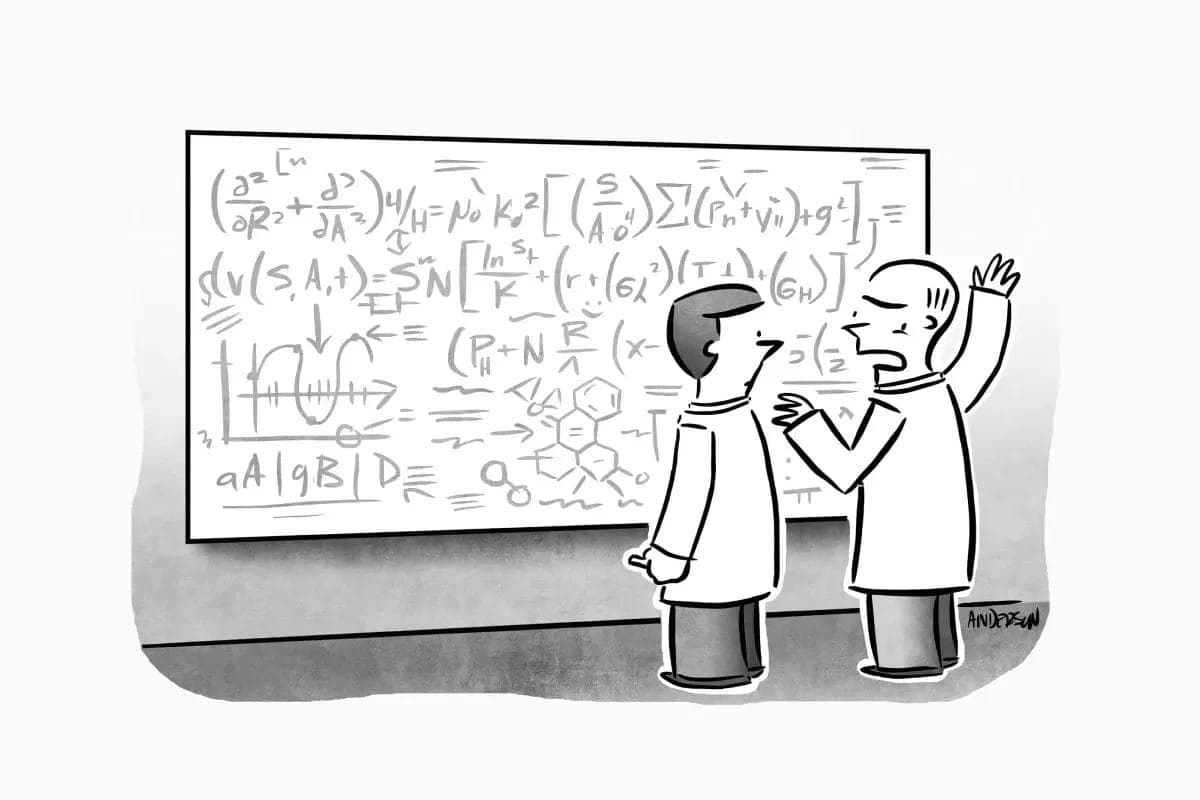
Last weekend, I sunk hours into over-engineering an avatar builder for Jasin. Pure catnip for the designer in me: custom inputs, slick UI, endless little decisions that felt important. But after hitting a few stubborn bugs, I paused long enough to ask myself the obvious question: Who’s actually going to use this?
Spoiler: Nobody.
It’s a common trap: when personal passion masquerades as product validation. It feels like progress because you’re busy, engaged, and “shipping.” But it’s often just motion without traction. A feature no one touches doesn’t add value. It just adds weight.
In today’s world, building is easier than ever. Deciding what to build and why: that’s the hard part. Most of the time, a few quick customer calls, a rough prototype, or a ruthless two-week usage check will tell you more than weeks of building ever will.
Most Interesting
The scratch-my-own-itch trap
Jason Cohen explains why “I built it for myself” sounds better in theory. Founders love this origin story, but it often skips the hard part: finding out if anyone else needs the thing you’re building.
Notion’s take on email: designed for people who live in their workspace.
Top Resources
GitHub Next and Lettermatic built a type family that softens monospaced fonts. It adjusts spacing dynamically, so your IDE looks less like a ransom note. Tiny fix, massive daily impact.
A comprehensive, well-organized guide to UI design principles and patterns.
People’s Graphic Design Archive
Design history, told by the people who made it. A messy, beautiful, crowd-sourced time machine. Oral histories, process docs, weird stuff from the 90s: it’s all in there. Less museum, more mixtape.
What’s Trending
What makes designers and developers happy at work?
Figma’s data says creative teams are thriving. 41% more satisfaction, 97% remote, and finally some respect for design orgs. Figma’s report proves smart management and lightweight AI aren’t perks: they’re baseline. Happy teams build better products.
A practical guide to building agents
OpenAI’s official guide to building AI agents: practical, grounded, and useful.
Jeff Morris Jr. breaks down OpenAI’s new memory feature, and why it changes the game. Persistent context means less prompting, better outputs, and a bond that’s hard to replicate. Stanford data shows a 62% bump in long-haul tasks.
Closing Thought
Motion without traction is just exercise. Make sure you’re building something someone actually needs.
Matt Downey is a designer who has spent over two decades building digital businesses, now Head of Design at Atlas UP. He writes Digital Native, the newsletter for designers building in the AI era.
Keep reading



Friction shapes what survives
Edition #167


Shipping, craft, and AI's two paths
Edition #147