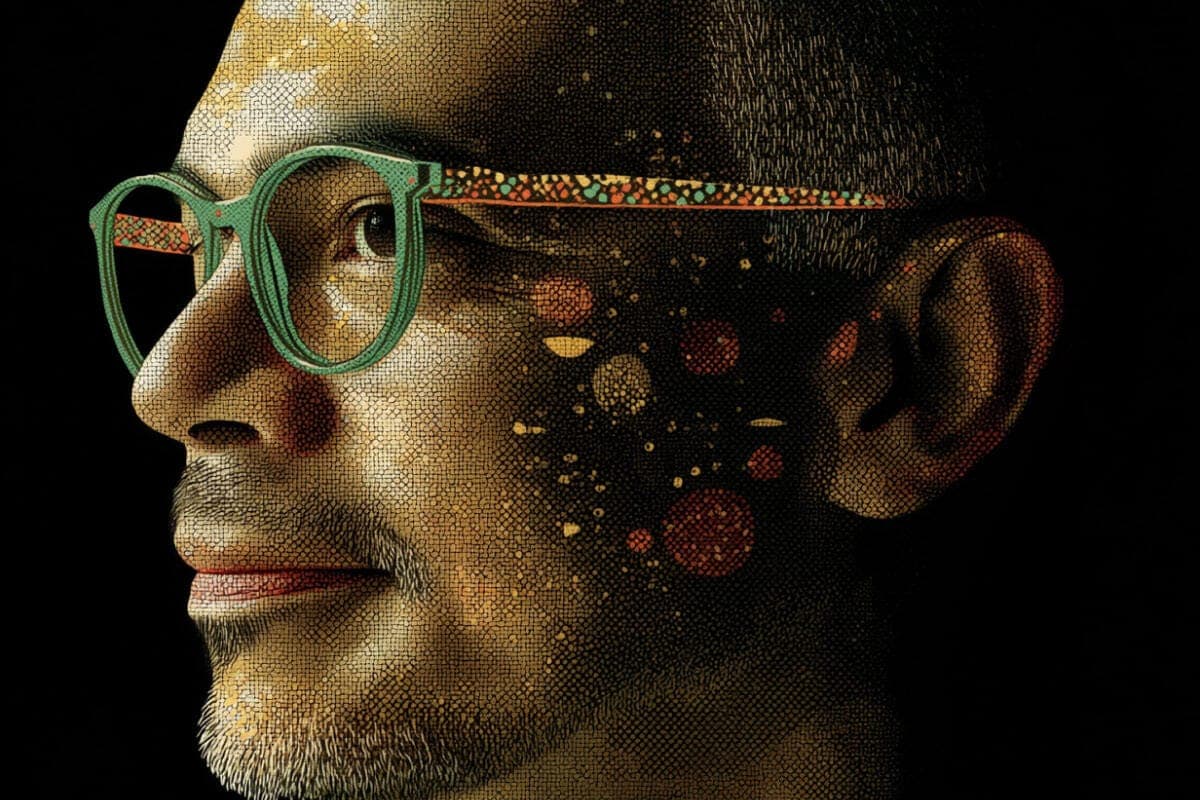
Intelligence, simplicity, and creative systems
There’s this instinct when you’re redesigning something to want to fix everything at once: rethink the whole information architecture, rebuild the navigation, maybe throw in some micro-interactions while you’re at it. But the smarter move, the one that actually ships, is deciding what you’re not going to touch.
Users already have muscle memory. Every change has a cost. Sometimes the most valuable thing you can do is make one thing significantly better rather than overhauling everything at once. This week reminded me how much of design work is actually deciding what not to design.
Most Interesting
Design leadership is moving from perfecting surfaces to architecting intelligence
The argument here is that we’re past the Jony Ive era of obsessing over pixel-perfect surfaces and physical product curves. Future design leaders won’t be known for aesthetic refinement: they’ll be known for shaping how AI systems think and behave. I keep coming back to this because it names something I’ve been feeling: the work that matters now isn’t about making interfaces prettier, it’s about architecting how intelligence flows through them. That’s a different skill set entirely.
Ways of Working
Pay yourself first with uninterrupted time for curiosity-driven work
DHH’s reminder that your best work happens when you protect time for building, experimenting, and researching without needing to check in or justify it, just doing the work that actually matters to you.
Complex systems emerge from iterating simple designs, not designing complex systems
Naval breaks down how great products get built: start simple, iterate relentlessly, question every requirement before optimizing anything, and remove parts until only what’s necessary remains, just like SpaceX’s Raptor engine evolution.
Making Things
Seven animation principles that make interfaces feel responsive without mystical design intuition
A set of practical rules for UI animation. Scale buttons on press, never animate from scale(0), use ease-out curves, keep everything under 300ms, and add subtle blur when transitions feel off: no magic required, just better defaults.
Modern CSS color syntax decoded
A collection of CSS color updates that matter for relative colors, light-dark toggles, and getting wider color gamuts.
Six winning Figma Make projects and the prompting strategies behind them
Figma showcases six top Make-a-thon entries with specific prompt strategies. TL;DR: Structure code upfront, refine designs before building, use short iterative prompts, test in real browsers early, and embrace the revert button for safer experimentation.
Tools Worth Trying
A radically simple outlining tool built entirely on nested bullet points: no folders, no docs, just one infinite workspace where every node can become its own page, designed for people who think in hierarchies.
A frictionless tool from sublime.app that turns podcast screenshots into transcripts and video clips via email.
Keep An Eye On These
A self-generating AI story experiment
An AI-powered story that builds itself over time, pushing the boundaries of what automated storytelling can do. This is absolutely fascinating to me.
It’s Nice That’s 2025 roster of emerging creatives to watch
An annual showcase spotlighting emerging talent across graphic design, illustration, photography, and moving image. Incredibly useful for finding fresh perspectives, tracking design trends, and discovering who’s pushing creative boundaries right now.
Closing Thought
The thing about constraints that I keep relearning: they’re not limitations you work around: they’re the structure that makes good work possible. Whether it’s DHH protecting uninterrupted time, Naval’s argument for iterating simple designs, or just deciding which parts of an interface you’re actually going to touch, the skill isn’t doing more. It’s getting ruthlessly specific about what matters and letting everything else wait its turn.
Matt Downey is a designer who has spent over two decades building digital businesses, now Head of Design at Atlas UP. He writes Digital Native, the newsletter for designers building in the AI era.
Keep reading

Design systems, AI tools, and the new process
Edition #142
Minimalist tools & creative focus
Edition #106
Judgment, not just pages
Edition #170
When systems think without designers
Edition #159
When system health matters more
Edition #171
AI tools, creative process & design craft
Edition #130